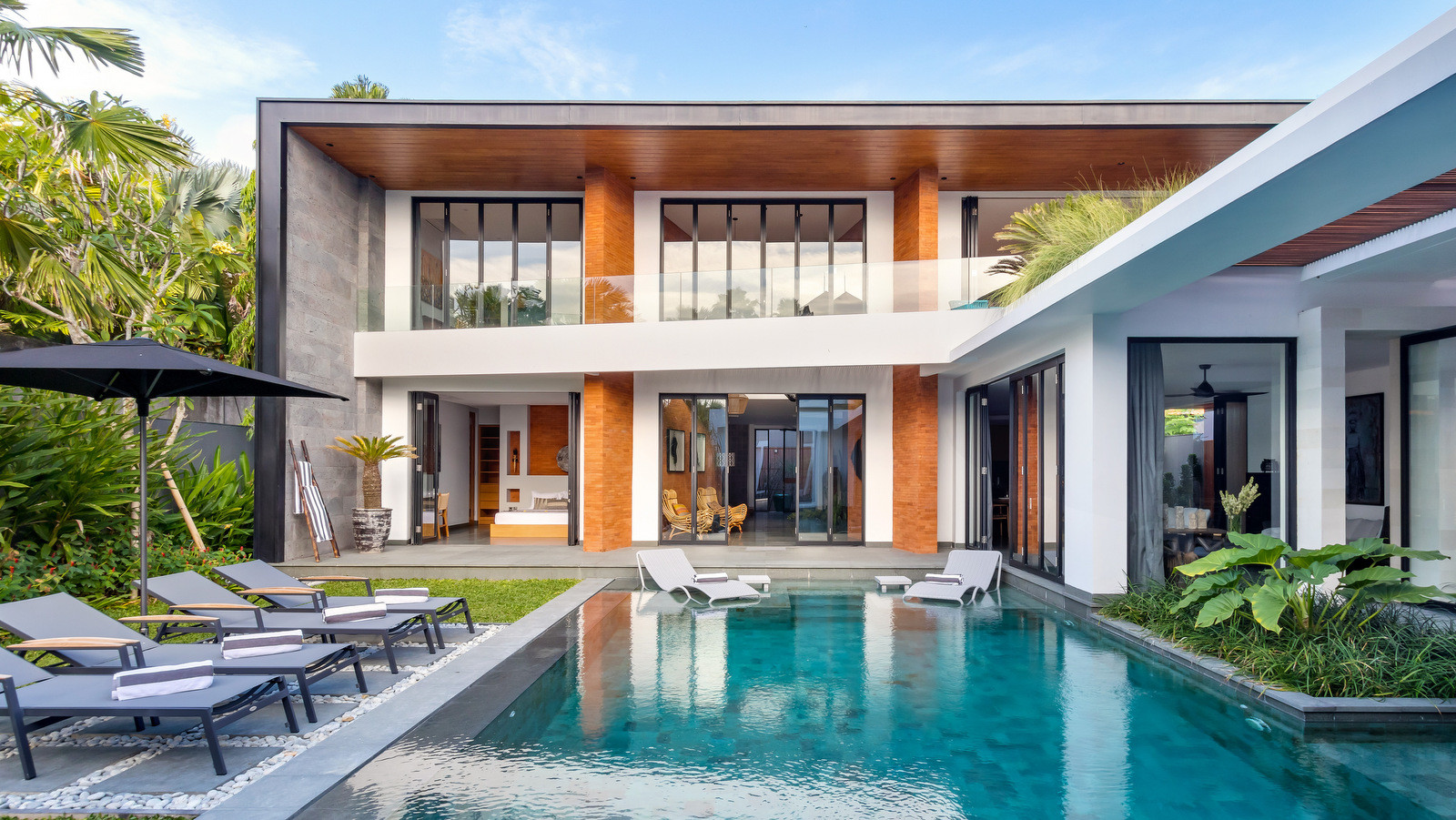
Imagine a villa that looks spotless at check-in, but two weeks in, paint edges start to peel, ants show up around the terrace doors, and the pool water feels off. Guests notice fast, and so do your reviews.
This is why a good yearly villa rental Bali maintenance timing plan matters. The idea is simple, a calendar that matches maintenance work to Bali conditions and tenant presence. You schedule the right tasks before problems snowball, so you spend less time reacting and more time running the operation smoothly.
That calendar revolves around four pillars, painting and coatings, pest control, pool checks, and tenant inspections. Done in the right season, timing creates a clear cause-and-effect chain, inspections catch early issues, treatments get follow-up verification, pool checks prevent water-quality failures, and painting finishes when surfaces can cure properly.
Before we map the seasons, you need a clear definition of what seasonal maintenance means for villa rentals, and how it prevents properties from falling behind.
When you are ready to align your maintenance calendar with your property search, you can start from yearly villa rental bali.
What seasonal maintenance is and why villas fall behind
seasonal maintenance schedule
A seasonal maintenance schedule is a yearly calendar that places inspections and work at the times when Bali conditions make each task easier and problems less likely. For yearly villa rental Bali owners, it means you do not wait for damage, you plan maintenance around predictable pressures like moisture, heat, and heavy rain windows.
inspection and remediation loop
The inspection and remediation loop is the repeatable cycle of check, fix, and re-check. You inspect early, remediate the root issue, then confirm the result. This matters because early findings prevent small coating failures from turning into widespread peeling, and they keep pest activity from coming back after a treatment that was never verified.
tenant-occupied constraints
Tenant-occupied constraints are the practical limits of doing work while guests are staying in the villa. Scheduling helps you choose lower-disruption windows for painting and targeted treatments, while still keeping daily visibility through walk-through notes and photos. Without this, you end up doing urgent work late, or you skip steps that require space, ventilation, or time to dry.
weather-driven wear
Weather-driven wear is the wear and tear that accelerates when humidity and rain keep surfaces damp. Outdoor finishes and coatings break down faster, and damp areas become comfortable for pests. When the villa runs past its timing, you also see more pool side issues, because scale, algae, and filtration strain stack up together.
verification of results
Verification of results means you confirm outcomes, not just that a service happened. For pools, that is stable chemistry and clear performance, not only “it looks fine.” For pests, it is follow-up checks that show activity reduced. For painting, it is proper readiness and curing before guests notice defects.
Once you understand these pieces, the next step is turning them into a real operating routine, step by step, so your year stays on track.
How the yearly maintenance workflow runs in real life
“Treat maintenance like a system, not a series of emergencies,” is the rule of thumb many operators swear by.
Once you have a seasonal idea, you still need a daily-ready workflow that turns inspections into verified fixes. That is where yearly villa rental Bali maintenance timing becomes practical.
1. Baseline condition photos and notes
Start with photos and short notes that capture what is normal for your villa today. Include visible paint wear, pest entry points, pool surface condition, and anything that already feels “almost broken.”
This becomes your reference point when you later decide whether a repair actually worked, not just whether someone visited the property.
2. Seasonal checklist review
Next, compare the baseline to the seasonal priorities you set for the year. The checklist is your prompt to review painting and coatings readiness, pest pressure signals, pool checks performance, and tenant inspection timing.
Do not rely on memory. Use the checklist to spot what you are likely to miss during busy weeks.
3. Priority triage and risk scoring
Rank items by impact and urgency. Painting problems that affect outdoor surfaces often grow faster during humid, rainy stretches, while pest activity can surge when conditions favor insects.
Pool issues also escalate quickly if filtration and water chemistry get neglected, so any water-quality red flags should move up the list.
4. Contractor scheduling with tenant access planning
Occupied villas change everything. You plan around access windows, safe work areas, and tenant comfort, especially for tasks that need drying time or careful ventilation.
When the villa is empty, schedule deeper work because you can control the environment and finish faster without disrupting stays.
5. Do the work with a verification pass
Run the maintenance tasks, then verify immediately. Painting should only be considered complete when surfaces are ready and have the right curing conditions, not when the crew leaves.
Pest treatments need follow-up checks, and pool checks should confirm water clarity and chemistry behavior, not just appearance.
6. Document results and communicate with tenants
Record service reports, pool test logs, and before-after photos. For tenant-occupied periods, communicate clearly about noise, odors, access times, and what to expect during the work.
If you are also refining your yearly villa rental Bali setup, you can compare options for scheduling and management at yearly villa rental bali.
This workflow is the backbone, and the next step is turning it into a season-by-season calendar you can actually follow month after month.
Season-by-season plan for painting, pests, pools, and inspections
Early year setup
Picture this, guests are arriving soon, but you still have time to fix small wear before it spreads. Start with a baseline inspection, then schedule paint and coating prep while surfaces are easier to dry and cure.
This is also when you set up pest monitoring, not just spraying. Pair it with pool checks that focus on filtration performance and basic water chemistry, so you catch early drift before algae or cloudiness shows up.
Finish early year with a tenant inspection rhythm that does not disrupt stays, quick walk-through notes and targeted check points. If a villa is occupied, keep the work small and the communication clear.
Mid-year moisture and protection focus
Mid-year is where humidity and rain can turn “minor” into “noticeable” fast. Prioritize outdoor surface inspections and verify coating condition, because moisture accelerates breakdown.
For pests, the move is monitor first, then treat based on what you actually see. After any treatment, schedule a follow-up check to confirm activity is down, not just that chemicals were applied.
Pool checks should become stricter here, verify filtration output, watch water clarity closely, and confirm chemistry results from your test logs. For tenant inspections, plan around access windows and avoid anything that needs long curing time during peak occupancy.
Dry-season finishing and long-cycle work
When conditions are drier, you can shift from reaction to finishing. Use this window for painting and coatings because surface drying and curing are more reliable, which helps durability hold up through the next wet cycle.
This is also the best time to deepen inspections that you postponed earlier, especially around areas that absorb water or face constant shade. Keep pest work targeted, with follow-up checks that prove your approach is still effective.
For pool checks, tighten the system too, confirm normal filtration behavior and keep chemistry stable with recorded tests. Tenant inspections can be slightly broader in this season, because fewer tasks should require emergency scheduling.
End-of-cycle readiness and next booking checks
As the year turns, aim for readiness, not just completion. Do a full tenant inspection catch-up, note any recurring issues, and verify repairs are stable before the villa enters its next guest period.
Pest control should include a last verification pass, especially for entry points and areas that previously showed activity. Then run pool checks to confirm water quality stays consistent, not only during calm periods.
For painting and coatings, make sure you do not start long work too late and risk poor curing. If you skip the documentation and verification step now, you invite repeat callouts next season.
The next section shows the traps that ruin even a good calendar, so you can protect your time and your reviews.
Most yearly villa rental Bali problems come from skipping verification, not from a lack of effort.
The fastest way to waste money is a paint touch-up
People believe small chips are cosmetic, so they patch them and move on. That feels cheaper in the moment.
But without the right surface prep and the correct curing window, the next layer fails, and the problem returns bigger. Treat painting and coatings like a verified fix, not a quick cover-up.
Spraying once feels complete, but bugs disagree
One-time pest work sounds logical because the area looks better right away. Then conditions shift and activity returns.
Monitoring first, targeted treatments, and follow-up checks prevent repeat callouts. This is where documentation proves you actually reduced pressure.
Clear water can still hide pool issues
Bright, visible water can fool you, even when filtration performance and chemistry drift. Guests see “clear,” you only notice later.
Pool checks must include water clarity plus chemistry verification, using your test logs, not appearance alone.
If you wait for complaints, you already lost
Holding tenant inspections until something goes wrong feels safe. It also guarantees the first signal becomes a review or refund request.
Inspections should be routine, with deeper checks scheduled around lower-occupancy windows. Early fixes protect both the villa and guest experience.
Nice weather is not the same as paint-ready conditions
“Dry season” can still be too humid or too wet for proper drying and curing. Weather words do not replace workmanship conditions.
Use a timing mindset, then verify readiness before painting. Otherwise, you trade one problem for another.
Occupied villas can be maintained safely
Some teams assume tenant presence means no serious work. They end up delaying tasks and letting wear build.
You can maintain occupied villas by planning access windows, choosing low-disruption approaches, and verifying outcomes. Standards do not change, timing does.
Paperwork is not proof unless you verify it
Contractor reports can look complete but still fail to show results. Visits can happen without measurable improvement.
Make verification part of every pillar, photo evidence, service reports, pool test logs, and tenant communication. Next, you will be ready to turn all of this into a closing CTA that drives action.
Turn the plan into a calendar that pays you back
Ready to stop guessing and start scheduling?
Build your yearly villa rental Bali calendar around the four pillars, painting and coatings, pest control, pool checks, and tenant inspections. Keep the timing mindset simple, inspect early, treat proactively, schedule painting for the right conditions, then verify outcomes with your logs and photos.
Now lock it in with a few next actions. ✅ Map the 12-month calendar from the season plan, ✅ assign owners for inspections, contractors, and pool testing, ✅ schedule your first baseline inspection and photo set, ✅ choose a documentation system, a maintenance log plus photo evidence, so verification is repeatable.
Save this idea and start building your calendar today, then align your team or contractor by sharing the plan. When you are also comparing options, you can check yearly villa rental bali, and for your next search step visit balivillahub.com.